
Cinema Thinks the World
- Bamako
-
Mali/
France/ 2006USA - Abderrahmane Sissako
- 118 DCP
- NR
- Cinema Thinks the World
Screening Dates
- June 9 (Tuesday) 7:00
“Bamako is a work of cool intelligence and profound anger, a long, dense, argument that is also a haunting visual poem.”
A.O. Scott, The New York Times
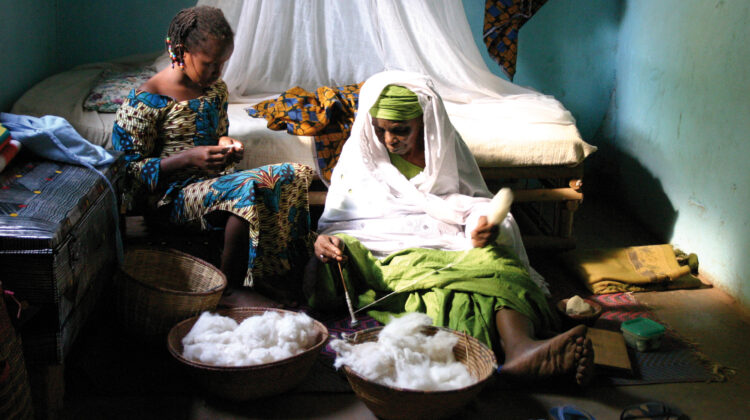
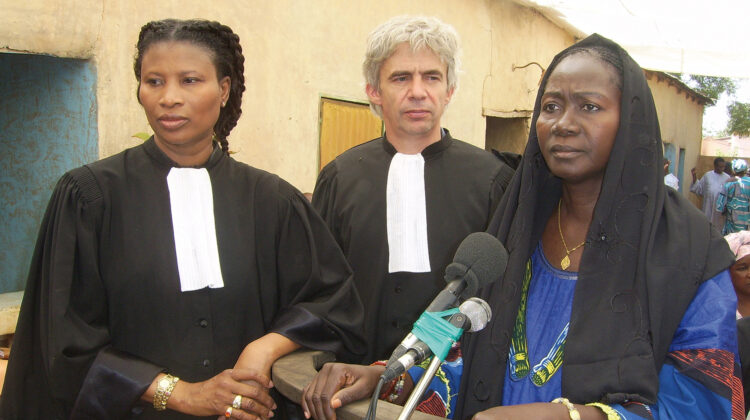
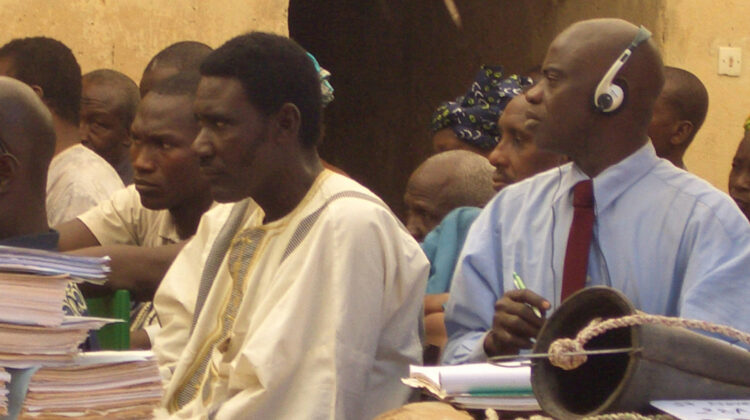
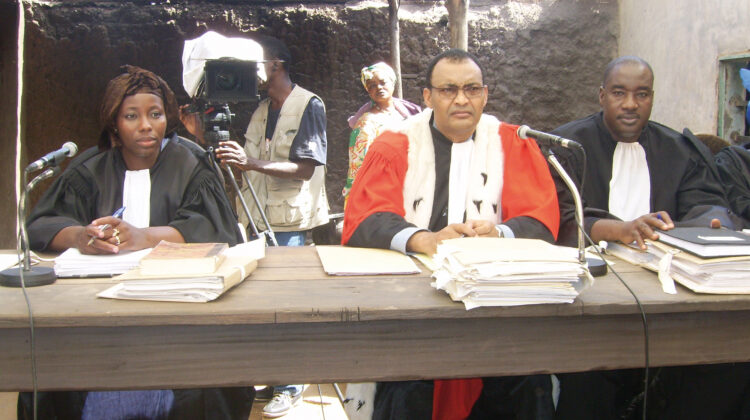
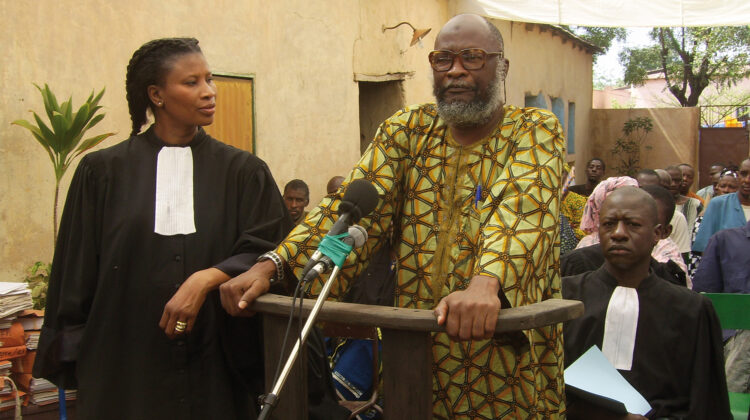
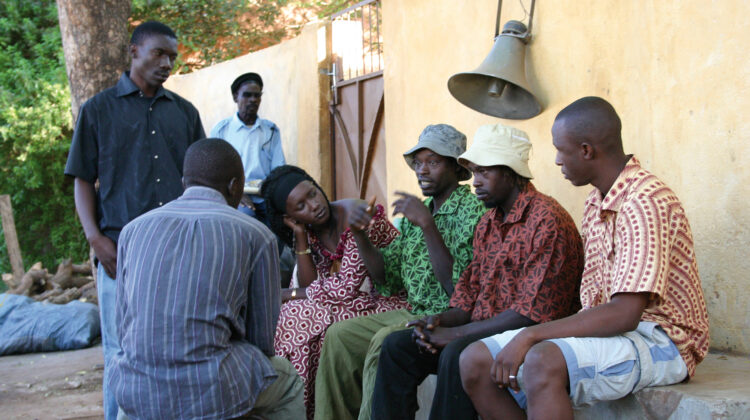
Bamako, named for the capital of Mali where it takes place, literally puts the global financial system on trial: judges, prosecutors, and defendants gather in a residential courtyard to determine the role of the World Bank and the IMF in perpetuating economic hardship in Africa. The proceedings run alongside other quotidian activities and dramas: a crumbling marriage, a wedding, business deals, and a theft, among many other comings and goings (including a Western film-within-a-film). This unusual courtroom docudrama from Abderrahmane Sissako (Timbuktu) brings abstract questions about geopolitics and macroeconomics down to a human scale, allowing ordinary Malians to explain the direct impacts of globalization on their daily lives. Twenty years on, Bamako still feels timely in its indictment of systems and institutions that make decisions for people half a world away with little power to influence change. Complex, poetic, and utterly compelling, Bamako is a classic of 21st century African cinema.
In French and Bambara with English subtitles
This free screening is presented as part of “Cinema Thinks the World,” a partnership project between The University of British Columbia and The Cinematheque. After the film, there will be a short reception followed by a one-hour panel talk with audience discussion.
Panellists: Sara Ghebremusse, Lennon Mhishi, Nuno Porto
Moderator: William Brown
Please note: Unclaimed tickets for complimentary screenings at The Cinematheque will be released 15 minutes before showtime. Please arrive early to guarantee your seat.
Acknowledgments
“Cinema Thinks the World” is sponsored by the Grant for Catalyzing Research Clusters (GCRC) at the University of British Columbia. Through a series of public screenings, panel talks, and discussions, it aims to explore the ways in which global cinema represents and helps us to think about the world.
Media

Note
Sara Ghebremusse is an assistant professor at the Allard School of Law. She writes, researches, and teaches in the areas of African law and society, law and development, mining governance in the Global South, human rights, and transnational law. She has published in all these fields and has presented her research at conferences in Canada, Germany, Kenya, Mexico, South Africa, and the United States.
Lennon Mhishi an assistant professor in the Department of Anthropology at UBC. His interdisciplinary work spans interests in Africa and its diasporas, museums, material culture and art practices, the afterlives of slavery and colonialism, and approaches to contemporary forms of exploitation, forced labour, and human rights in different African countries.
Nuno Porto is curator of the African and South American collections at the Museum of Anthropology and an associate professor in the Department of Art History, Visual Arts, and Theory at UBC. For the past thirty years, he has been combining his research on colonial cultures, photography, museums, collections, and archives, with experimental curating and teaching.
William Brown is a filmmaker and an assistant professor in Cinema Studies, Department of Theatre and Film, at the UBC. He is the author of numerous books, including Infinite Ontologies of the Chthulustream: Posthumanism and Racial Capital in Contemporary Streaming Media (with David H. Fleming).
Upcoming in this Series
-

- Macunaíma
- Brazil1969
- Joaquim Pedro de Andrade
- 104 DCP
- NR
- Cinema Thinks the World
-

- Another Round
- Druk
-
Denmark/
Sweden/ 2020Netherlands - Thomas Vinterberg
- 116 DCP
- NR
- Cinema Thinks the World