Endless Desire: Youssef Chahine at 100
- Adieu Bonaparte
- الوداع بونابرت
-
Egypt/
France 1985 - Youssef Chahine
- 115 DCP
- NR
- Endless Desire: Youssef Chahine at 100
Screening Dates
“Chahine’s film [demonstrates] remarkable political insight … Its central theme is a sort of Borromean knot where it proves impossible to distinguish between what an individual is, in his or her irreducible singularity, and what he or she represents within a system.”
Charles Tesson, Cahiers du cinéma
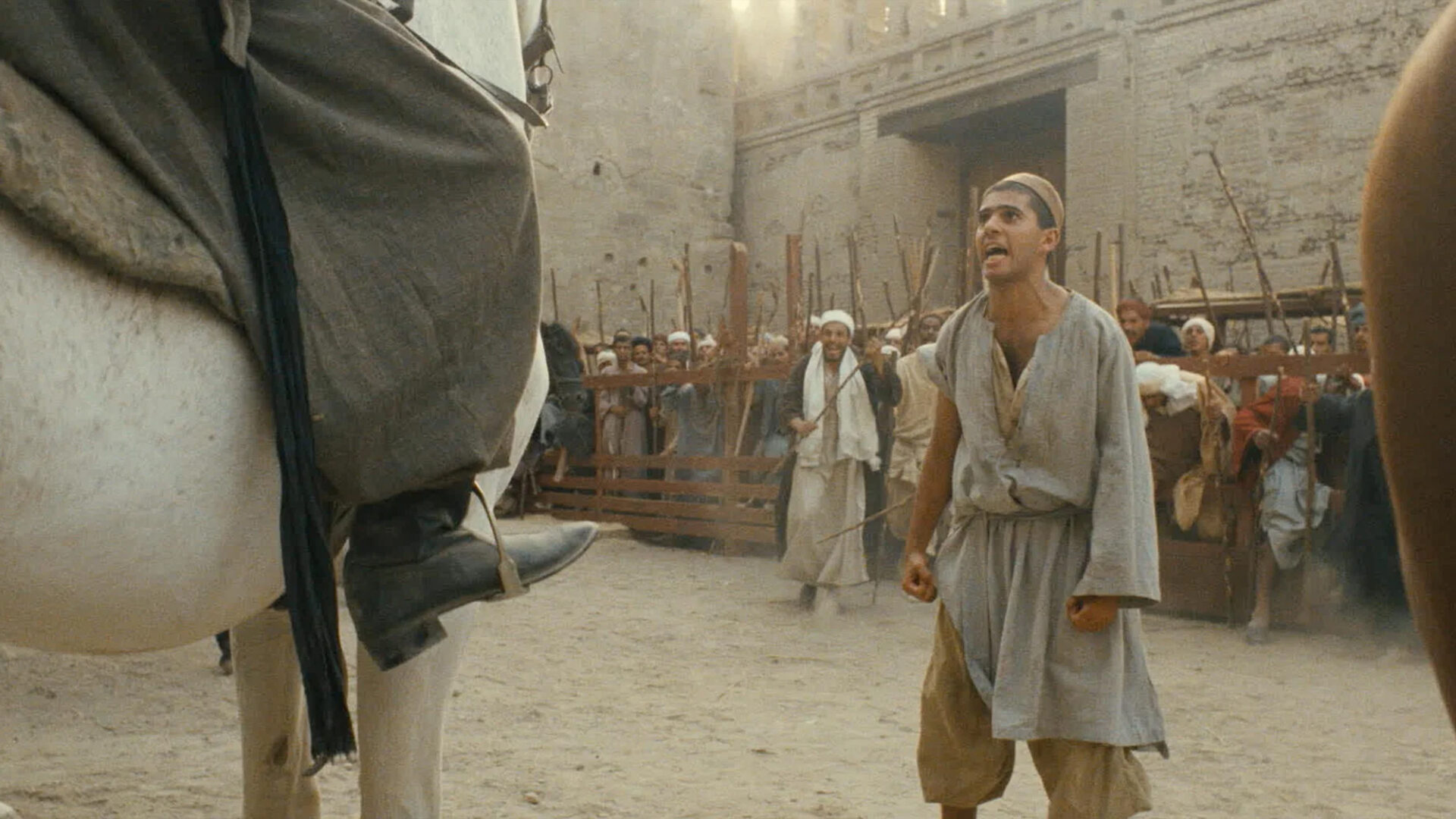
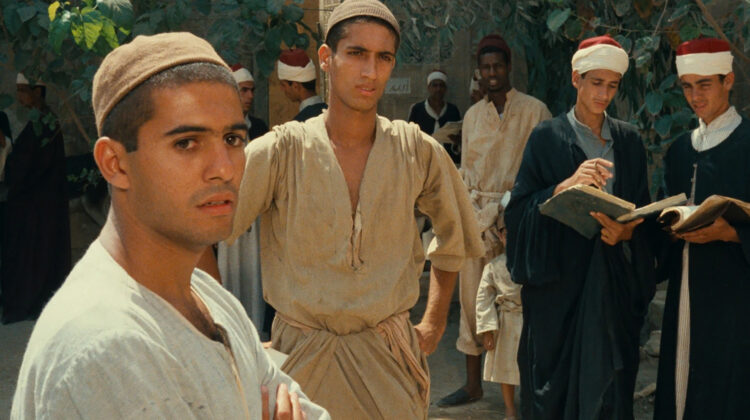
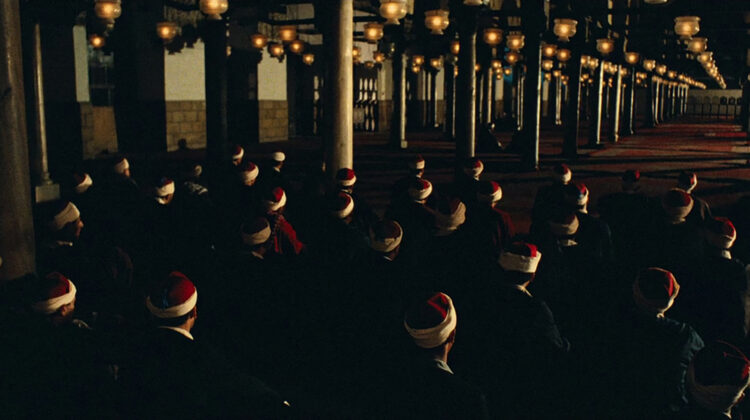
Youssef Chahine called Adieu Bonaparte “probably the most personal film I’ve ever made.” An unexpected claim perhaps, given that his two preceding works were directly autobiographical, depicting his adolescence (Alexandria… Why?) and his life as a director (An Egyptian Story). Adieu is set during Napoleon’s occupation of Egypt at the end of the 18th century. It is not a war epic, though Chahine stages the lead-up to the Cairo uprising like the recruiting sequences in Seven Samurai, and the uprising itself is one of the most overwhelming scenes he ever filmed. The core dynamic of the film is between a French military officer (Michel Piccoli) and two Egyptian brothers engaged in a cross-cultural education bought through coercion. Their scenes are freighted with closeted eroticism and hierarchical power in a way that anticipates Denis’s Beau travail. Chahine gives the younger brother the name of his autobiographical alter ego, Yahia. Patrice Chéreau plays Napoleon. Gabriel Yared composed the score.
In Arabic and French with English subtitles
“Idiosyncratic, sprawling … Chahine offers an oblique comment on Egypt’s place in the world today, but typically chooses to focus on affairs of the heart, seeing international relations in terms of emotional exploitation and sexual attraction.”
Tony Rayns, Time Out
“With Adieu Bonaparte, Chahine makes a masterful attempt at deciphering the secret processes ruling the relationships between races and cultures: we don’t desire the Other because we think this is good for us, but because we perceive it has something we lack, something we want to devour, steal, or perhaps embrace and make love to.”
Bérénice Reynaud, Sight and Sound
Media




Upcoming in this Series
-
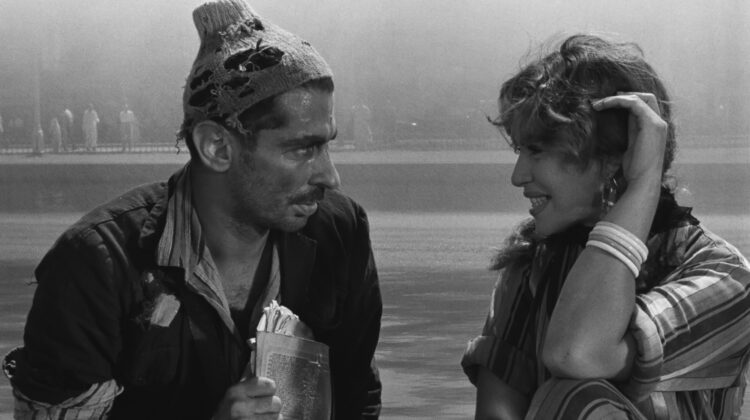
- Cairo Station
- باب الحديد
- Egypt1958
- Youssef Chahine
- 76 DCP
- NR
- Endless Desire: Youssef Chahine at 100
-

- Dawn of a New Day
- فجر يوم جديد
- Egypt1964
- Youssef Chahine
- 136 DCP
- NR
- Endless Desire: Youssef Chahine at 100
-
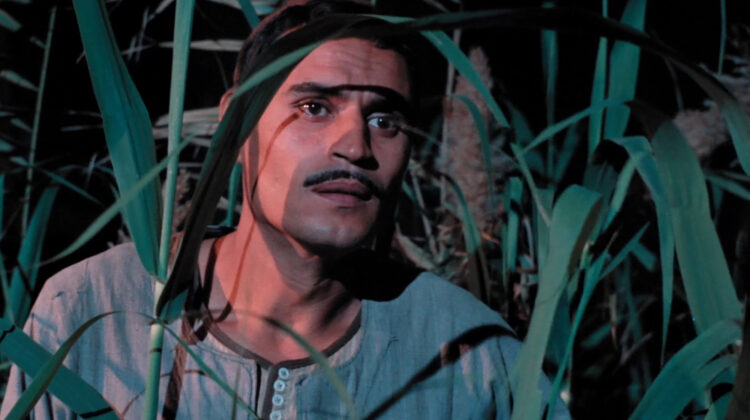
- The Land
- الأرض
- Egypt1969
- Youssef Chahine
- 135 DCP
- NR
- Endless Desire: Youssef Chahine at 100
-
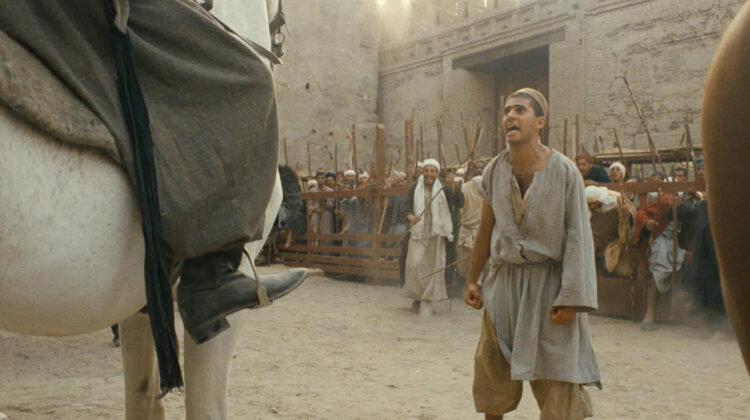
- Adieu Bonaparte
- الوداع بونابرت
-
Egypt/
France 1985 - Youssef Chahine
- 115 DCP
- NR
- Endless Desire: Youssef Chahine at 100