November 27–December 13, 2026
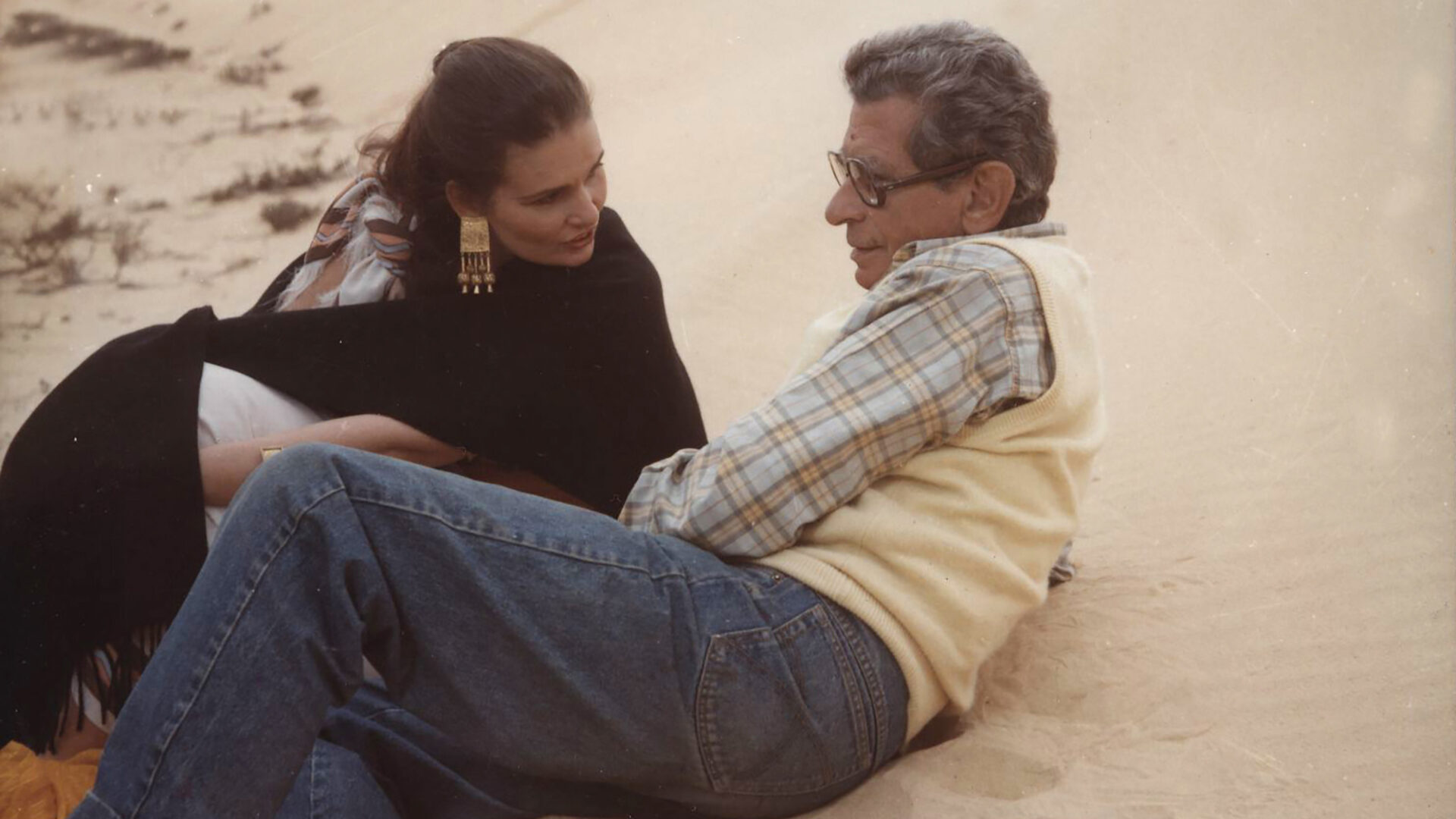
Endless Desire: Youssef Chahine at 100
“For the Maghreb, for the sub-Saharan part of Africa, Chahine was like a legend.”
Luca Guadagnino
Youssef Chahine (1926–2008) made cinema that could flow across the borderlines of countries, languages, sexualities, laws, and political factions. Rather than a single genre or style, his films take on multiple guises, not so much subverting genre or character archetypes as finding new ways to combine them and inviting an audience to follow across sudden tonal shifts and large ensemble casts. Chahine was inarguably the foremost Egyptian director in the world throughout the second half of the 20th century. He approached authorship as a process of fusing his studio-industrial practice with a foregrounded personal ethos years before the French New Wave made such considerations more overt and he did so without support from international critics until he came to prominence with The Land (1969), his 22nd feature.
Chahine was a sui generis practitioner—a craftsman who could make a film a year but never failed to imprint each work with personal exuberance, and a narrative stylist with equal footing in popular Egyptian tradition, Hollywood genre, and Soviet editing concepts. He was born in Alexandria when it was perhaps the most cosmopolitan city in the world, a port and an intellectual hub, where he grew up speaking four languages and attended Victoria College just a few years ahead of fellow graduates and eventual collaborators Omar Sharif and Edward Said.
Often the sole director representing Egypt on a global stage, Chahine cared deeply about the political ruptures that ran parallel to his career. Most significantly, this included President Gamal Abdel Nasser’s social reforms after the revolution in 1952; the Six Day War, in which Israel occupied the West Bank and other Arab territories; Nasser’s shocking resignation after the war in 1967; and the social decline that accompanied Nasser’s successor, Anwar Sadat. Chahine saw himself as an artist with a public to whom he was accountable, and found ways to treat history, modern and more distant, alongside his own personal experience, throughout his nearly forty films.
Chahine’s prolific career has not been adequately served by time. The first-ever North American touring retrospective of his films came to Vancouver in 1999. This centenary tribute is the second. A restoration project for Chahine’s films began in 2018, and The Cinematheque is excited to present five of those restorations as a reintroduction to his work, which remains vital and presciently attuned to the struggles of his people.
“The history of Arab cinema must be divided into two major chapters: Before Chahine and After Chahine.” Samir Farid, Locarno 1996
“Chahine courts and subverts genres and the star system … [His] relationship with the real is always sensual and erotic; it is also a constant and fascinating struggle aesthetically, politically, and personally.” Bérénice Reynaud, Sight and Sound
“Chahine seemed to thrive on his interaction with the system, tackling an impossibly wide range of genre assignments and managing to impose his unmistakable signature on each one … He refused to invest anything less than his full talent on the level of shot and sequence.” Dave Kehr, Film Comment
“When Youssef Chahine passed away in 2008, the Arab world lost not only its most celebrated filmmaker, but also its last window to a bygone age of cinematic wonder.” Ali Jaafar, Sight and Sound
Upcoming Screenings
-
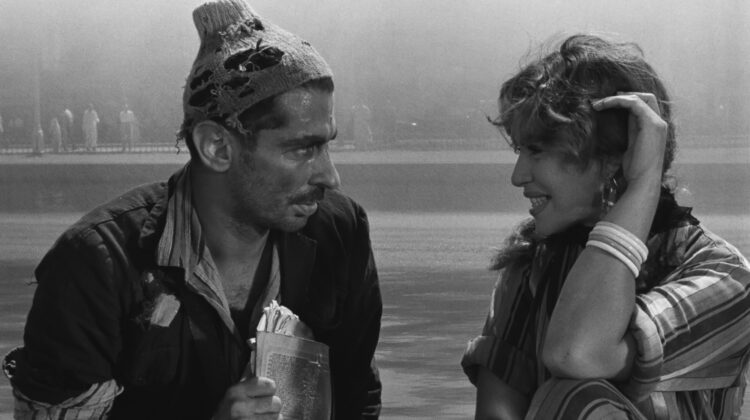
- Cairo Station
- باب الحديد
- Egypt1958
- Youssef Chahine
- 76 DCP
- NR
- Endless Desire: Youssef Chahine at 100
-
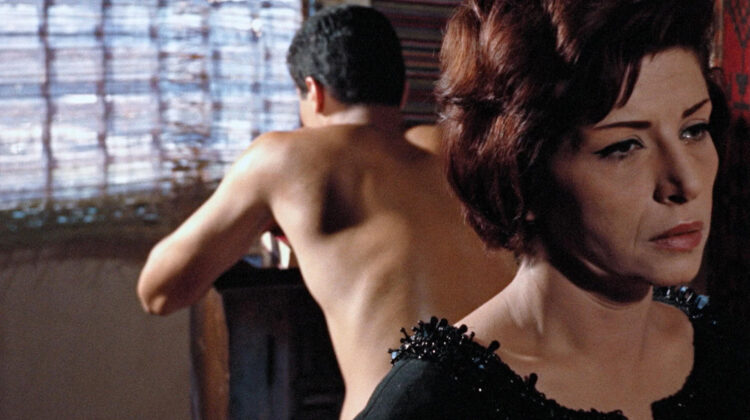
- Dawn of a New Day
- فجر يوم جديد
- Egypt1964
- Youssef Chahine
- 136 DCP
- NR
- Endless Desire: Youssef Chahine at 100
-
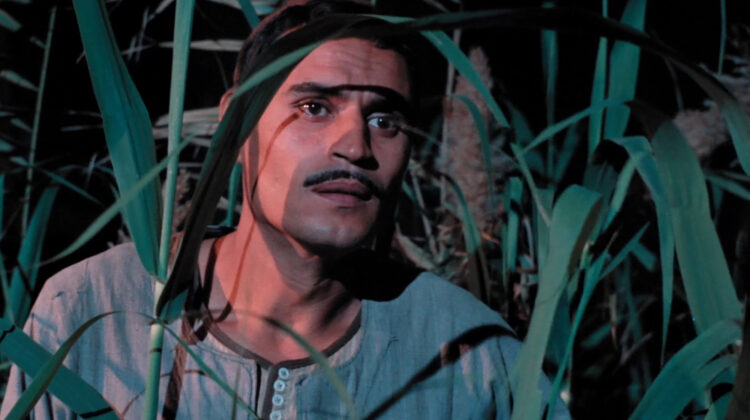
- The Land
- الأرض
- Egypt1969
- Youssef Chahine
- 135 DCP
- NR
- Endless Desire: Youssef Chahine at 100
-
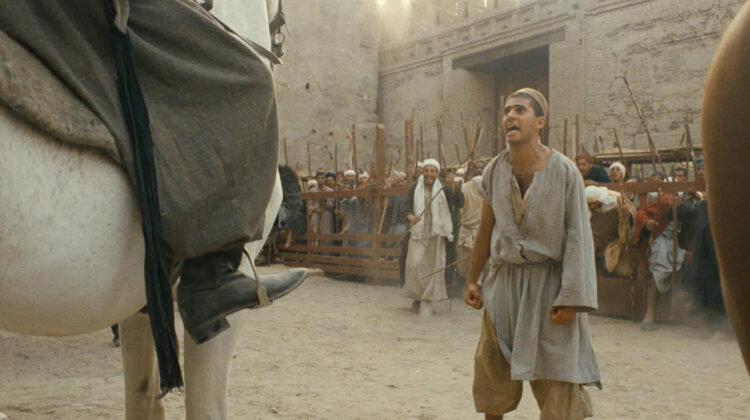
- Adieu Bonaparte
- الوداع بونابرت
-
Egypt/
France 1985 - Youssef Chahine
- 115 DCP
- NR
- Endless Desire: Youssef Chahine at 100
List of Programmed Films
| Date | Film Title | Director(s) | Year | Country |
|---|---|---|---|---|
| 2026-Nov | Cairo Station | Youssef Chahine | 1958 | Egypt |
| 2026-Nov | Dawn of a New Day | Youssef Chahine | 1964 | Egypt |
| 2026-Dec | The Land | Youssef Chahine | 1969 | Egypt |
| 2026-Dec | Adieu Bonaparte | Youssef Chahine | 1985 | Egypt . . . |