Immediate Experience: Early Films by Bahram Beyzaie & Amir Naderi
- Harmonica
- ساز دهنی
- Iran1974
- Amir Naderi
- 76 DCP
- NR
- Immediate Experience: Early Films by Bahram Beyzaie & Amir Naderi
Screening Dates
- September 25 (Friday) 6:30
- September 27 (Sunday) 8:40
“Harmonica and Waiting [are] hallucinatory in their sunstruck radiance and immersive physicality.”
Imogen Sara Smith, Film Comment
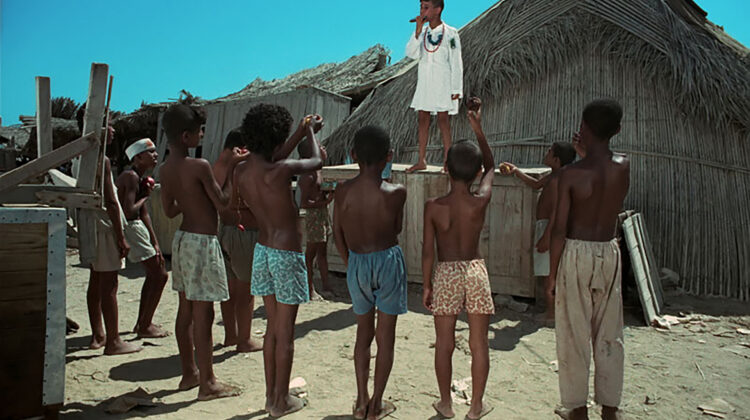
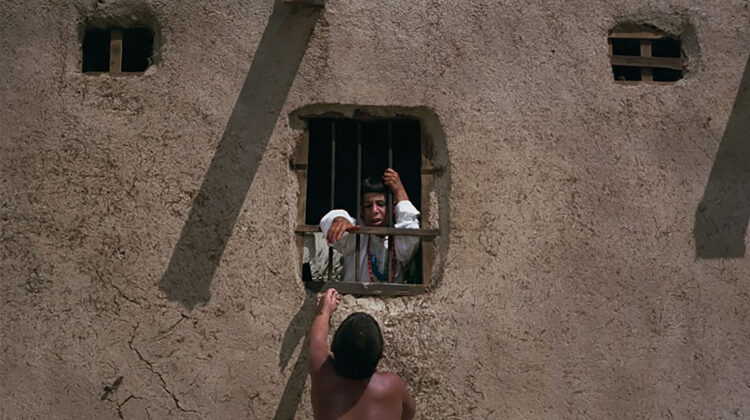
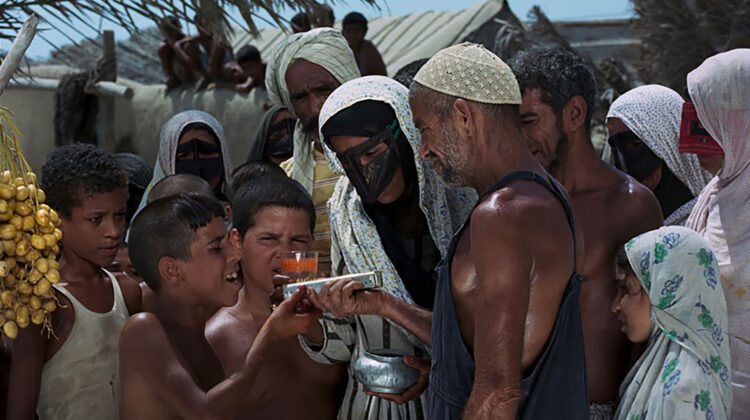
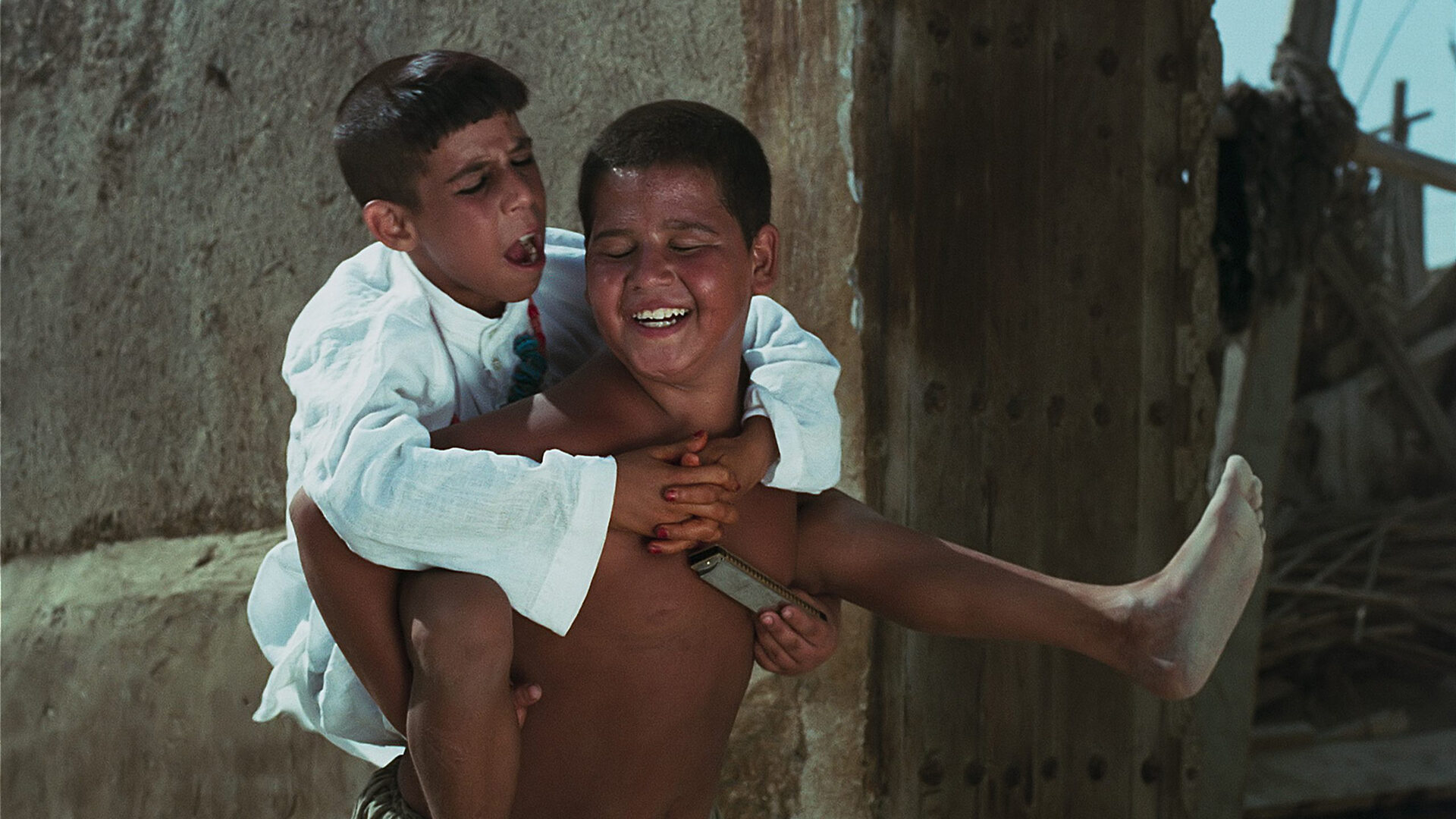
Amir Naderi followed up the purely meditative imagery of Waiting with an intensely cacophonous allegory of power, one that requires almost no dialogue to be understood. Harmonica begins with a scene of bullying at the beach, as Amiro (the name of Naderi’s autobiographical protagonists) is cast out by a judging crowd of young peers. To soothe his humiliated ego, an older man gifts him a near-magical object: a glossy red harmonica, said to have come from a Japanese trading boat. The sound it makes is looped like an unforgettable hook on the soundtrack, and the image Naderi conjures, of an instantly enchanted crowd gathering and desiring what Amiro holds, suggests multiple readings. The musical instrument assigns its player the role of a performing artist, a frivolous distraction, or a tyrannical king, which repeatedly empowers Amiro to demand payment for the right to share his moveable stage. The editing, by Sohrab Shahid Saless, pushes the scenario to abject and ecstatic heights.
In Farsi with English subtitles
“Harmonica is both a political metaphor about exploitation and a terrific film about obsession, with some of the finest cinematography to come out of the sun-drenched, colourful south of Iran.”
Ehsan Khoshbakht, MoMA
“In making Harmonica, I found my true path … Inspirations from The 400 Blows, the Apu trilogy, De Sica’s films, and Buñuel’s Los olvidados gave me the courage to find my own voice … [I] worked with children who had never seen a camera before, with the colours of the south, and experimented with impressionist painting styles to create the atmosphere of my childhood.”
Amir Naderi