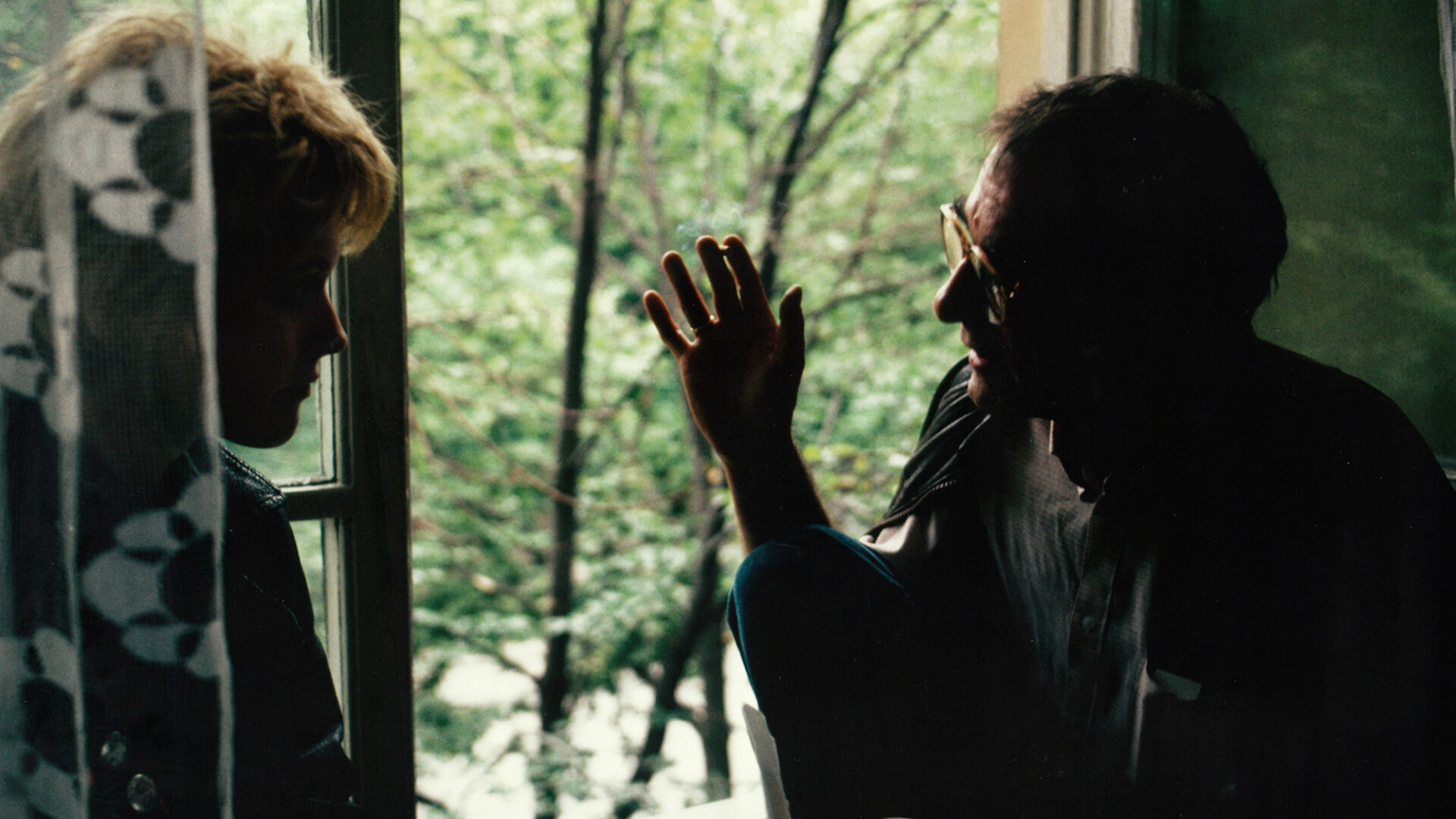
December 3, 2026–January 4, 2027
Wheel of Fortune: The Films of Krzysztof Kieślowski
“One of the world’s most eloquent conjoiners of metaphysical mystery and sociopolitical critique, and a still-missed fallen soldier in the shrinking ranks of Euro art film.”
Michael Atkinson, Village Voice
Thirty years have passed since the death of Krzysztof Kieślowski (1941–1996), extolled by many as the most significant European auteur of the 20th century’s concluding decades. Though ostensibly retired when he suffered a fatal heart attack at 54, one can’t help but imagine, in the manner of his many-worlds cinema, the “what if?” scenario of an extended life and career—particularly with a trilogy of new works, co-written with longtime collaborator Krzysztof Piesiewicz and inspired by Dante’s Divine Comedy, quietly in development at the time of his abrupt passing. It would be pointless, three decades on, to dwell on this what-could-have-been line of thinking, had Kieślowski himself not conditioned his audience to consider—deeply, philosophically—the forking paths a life can take, starting with his own.
Born in German-occupied Warsaw in the years leading up to the ’44 Uprising, Kieślowski had a nomadic childhood. His father, a civil engineer, was dying of tuberculosis, and early family life was spent moving from one sanatorium town to another, each departure leaving behind the alternate reality of having remained. (Kieślowski estimates he moved some forty times by the age of 14.) Though a boy of books and, owing to his own fragile lungs, imagined adventure, Kieślowski wound up at firefighter school before a distant uncle materialized with an opportunity to enrol in Warsaw’s College for Theatre Technicians, where he served as director. There, Kieślowski fell in love with the theatre. In a circuitous route to securing a job in stage direction, he applied to Łódź Film School and after three botched attempts—and an elaborate ruse to convince authorities he was a practicing artist unfit for mandatory military service—he was finally admitted in 1965. It was only then that his aptitude for filmmaking blossomed. Kieślowski didn’t set out to be a cineaste, but blind chance—or kismet—led him to it.
His emergence as a director—a gifted documentarian, to start—intersected with the rise of social unrest in communist Poland in the late 1960s and throughout the 1970s, culminating with the imposition of martial law in 1981 to suppress the growing Solidarity movement. His early nonfiction portraits of everyday existence—as mass protests over food shortages, surging costs, and stagnant wages erupted—were unavoidably framed by politics and ran afoul of the Party, a trend that would continue, in the form of censorship or outright suppression, across his domestic career. Ironically, Kieślowski’s disillusionment with documentary came about, in part, by his frustrations over state interference, believing a fictionalized depiction of the world would carry more leniency. (It wouldn’t.) Though he dismissed the label of political filmmaker, and was criticized on either side for being noncommittal to a cause, there’s no denying that Kieślowski’s films—and his fascination with alternate fates—are inseparable from the limiting realities of life behind the Iron Curtain.
His international breakthrough, Camera Buff (1979), situated Kieślowski within a “Cinema of Moral Anxiety” (or “Moral Concern”) movement, so designated because of a common angst across the films over the corruption of Poland’s moral and social fibre. (Fellow Łódź alumni Andrzej Wajda, Jerzy Skolimowski, and Krzysztof Zanussi were also among its coterie.) But it was a decade later, in the twilight of the communist era, that Kieślowski delivered what is inarguably his magnum opus, Dekalog (1989), an interconnected ten-part omnibus, co-written with Piesiewicz and shot by nine different cinematographers, based on the ordinances of the Ten Commandments. Preceded two acclaimed feature-length expansion episodes— A Short Film About Killing (1988) and A Short Film About Love (1988)—the series catapulted Kieślowski to the ranks of the world’s most essential film artists, the successor, some posited, to the mantle of Ingmar Bergman or Andrei Tarkovsky. The quartet of metaphysical works that followed—The Double Life of Véronique (1991) and the “Three Colours Trilogy” (1993–94), all French co-productions—only deepened his significance as a European auteur unrivalled, one increasingly absorbed with the spiritual dimensions of human existence.
“Wheel of Fortune” marks Vancouver’s first Kieślowski retrospective in 20 years. Presented in partnership with the Consulate General of the Republic of Poland in Vancouver, this major exhibition draws together 11 of the director’s feature-length works (including the rarely screened TV movie The Calm), a collection of imperative documentary shorts, and, in its inviolable entirety, all ten installments of Dekalog, presented over five days in the lead-up to the new year.
“Kieślowski surely ranks among the last century’s great moral philosophers, albeit favouring moving images over textual treatises.” Michael Brooke, BFI
“Kieślowski and his co-author Krzysztof Piesiewicz … have the very rare ability to dramatize their ideas rather than just talking about them. They do this with such dazzling skill, you never see the ideas coming, and don’t realize until later how profoundly they have reached your heart.” Stanley Kubrick
“An artist who sits at a reflective remove from mankind, contemplating the paradoxes and savouring the ironies of human existence.” Dave Kehr, Film Comment
“I think that he was one of the few filmmakers still able to use film as a means of spiritual discourse.” Atom Egoyan
“It is almost impossible to conceive of Kieślowski making a bad film.” Derek Malcolm, The Guardian
Acknowledgments
The Cinematheque is grateful to Piotr Kasperkiewicz, senior officer at the Consulate General of the Republic of Poland in Vancouver, for his invaluable assistance in organizing this retrospective.
The Consulate General of the Republic of Poland in Vancouver is a partner of “Wheel of Fortune: The Films of Krzysztof Kieślowski”

Upcoming Screenings
-
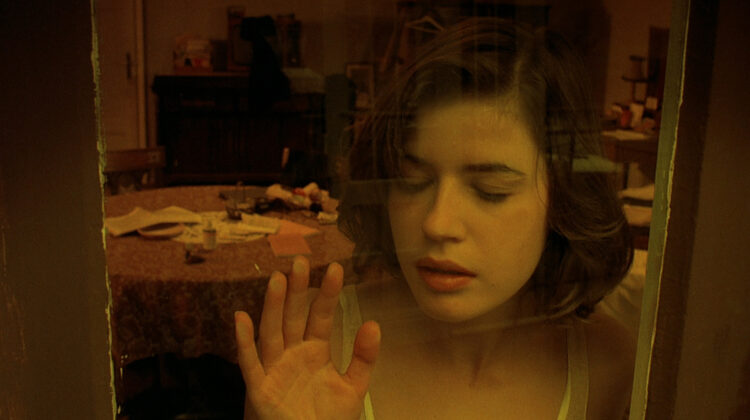
- The Double Life of Véronique
- La double vie de Véronique
-
France/
Poland/ 1991Norway - Krzysztof Kieślowski
- 97 DCP
- 14A
- Wheel of Fortune: The Films of Krzysztof Kieślowski
-
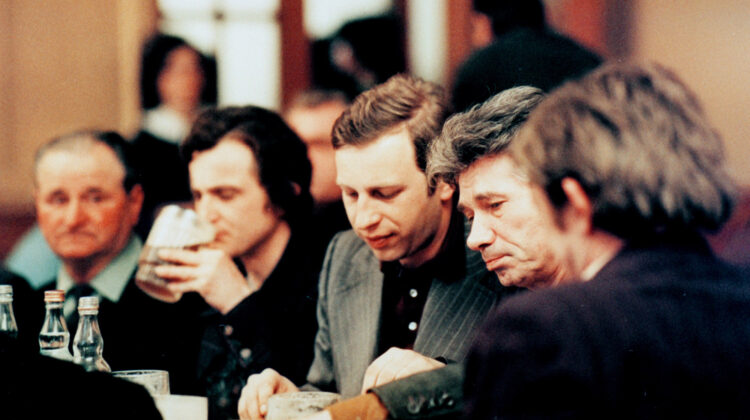
- The Calm
- Spokój
- Poland1980
- Krzysztof Kieślowski
- 81 DCP
- NR
- Wheel of Fortune: The Films of Krzysztof Kieślowski
-
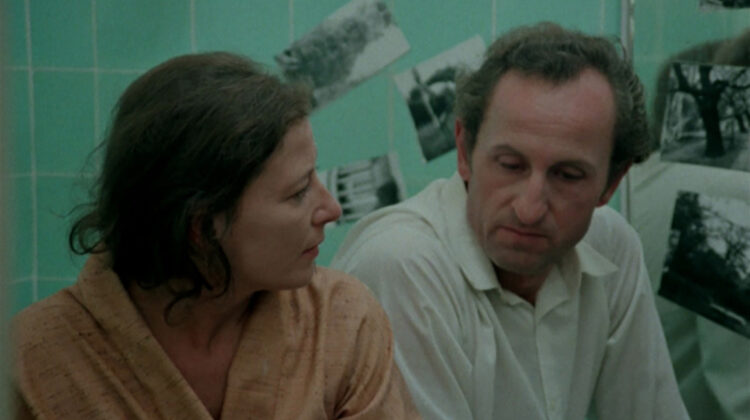
- The Scar
- Blizna
- Poland1976
- Krzysztof Kieślowski
- 106 DCP
- NR
- Wheel of Fortune: The Films of Krzysztof Kieślowski
-
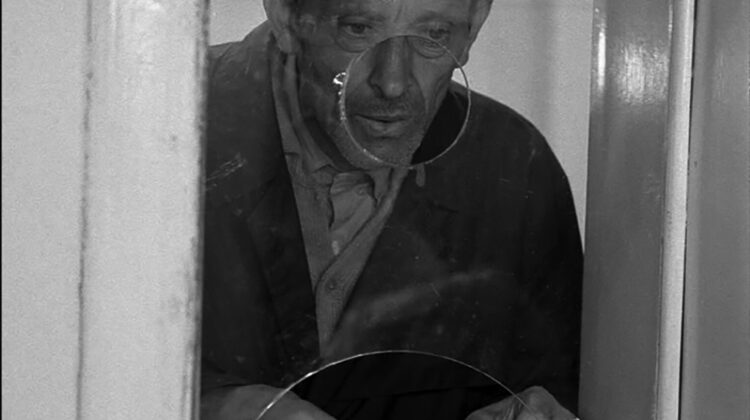
- Kieślowski Documentaries × 6
- 87
- NR
- Wheel of Fortune: The Films of Krzysztof Kieślowski
-
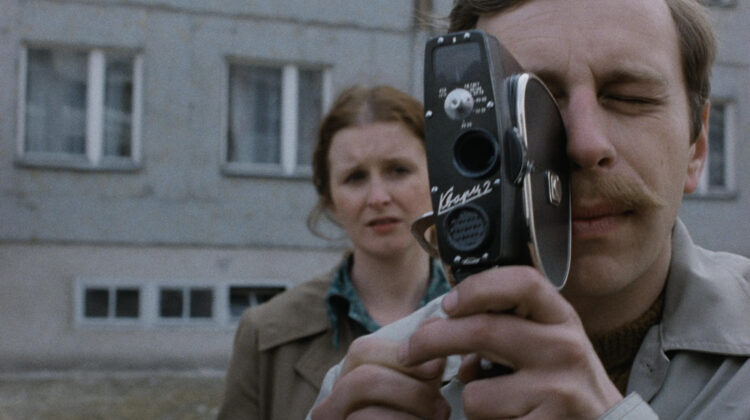
- Camera Buff
- Amator
- Poland1979
- Krzysztof Kieślowski
- 114 DCP
- NR
- Wheel of Fortune: The Films of Krzysztof Kieślowski
-
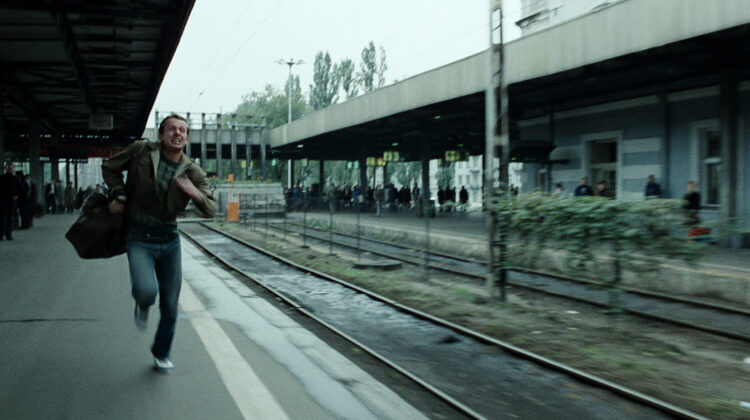
- Blind Chance
- Przypadek
- Poland1987
- Krzysztof Kieślowski
- 123 DCP
- NR
- Wheel of Fortune: The Films of Krzysztof Kieślowski
-
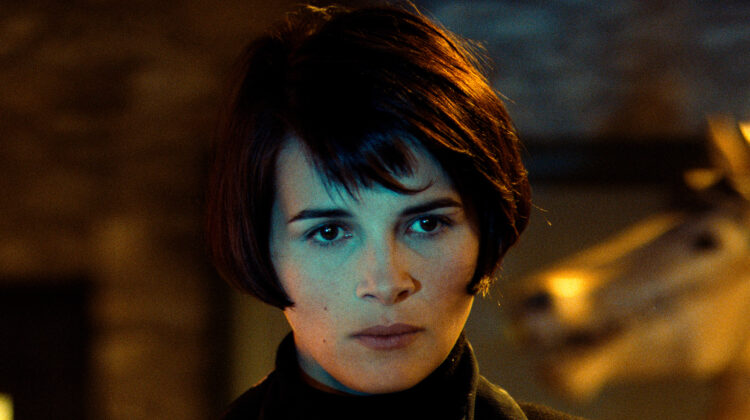
- Three Colours: Blue
- Trois couleurs: Bleu
-
France/
Poland/ 1993Switzerland - Krzysztof Kieślowski
- 98 DCP
- 14A
- Wheel of Fortune: The Films of Krzysztof Kieślowski
-
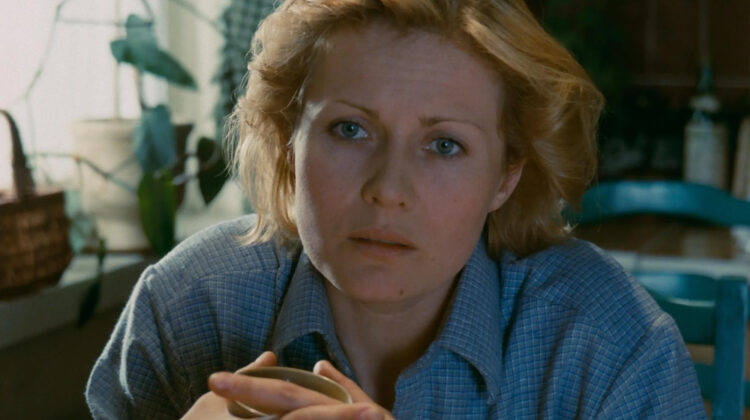
- No End
- Bez końca
- Poland1985
- Krzysztof Kieślowski
- 108 DCP
- NR
- Wheel of Fortune: The Films of Krzysztof Kieślowski
-
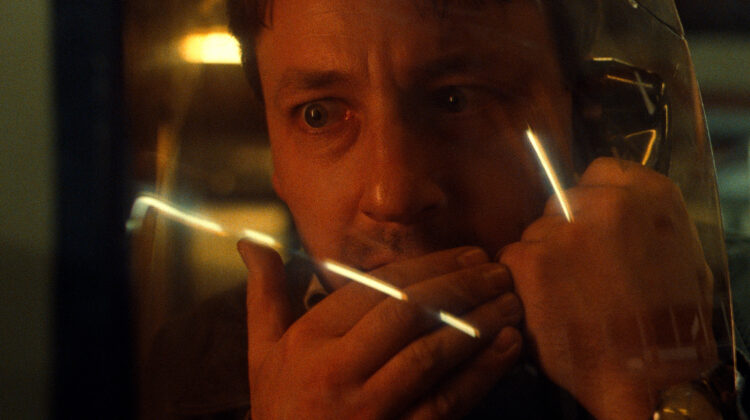
- Three Colours: White
- Trois couleurs: Blanc
-
France/
Poland/ 1993Switzerland - Krzysztof Kieślowski
- 91 DCP
- PG
- Wheel of Fortune: The Films of Krzysztof Kieślowski
-
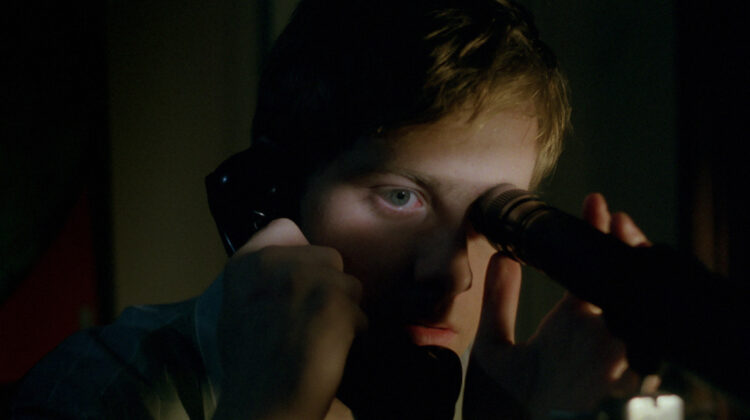
- A Short Film About Love
- Krótki film o miłości
- Poland1988
- Krzysztof Kieślowski
- 87 DCP
- NR
- Wheel of Fortune: The Films of Krzysztof Kieślowski
-
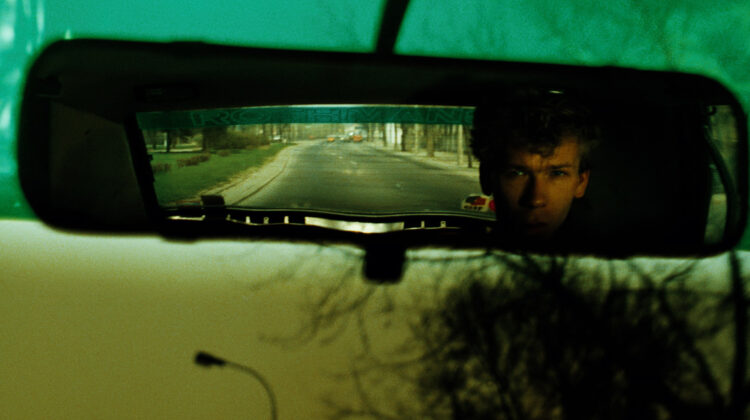
- A Short Film About Killing
- Krótki film o zabijaniu
- Poland1988
- Krzysztof Kieślowski
- 85 DCP
- NR
- Wheel of Fortune: The Films of Krzysztof Kieślowski
-

- Three Colours: Red
- Trois couleurs: Rouge
-
France/
Poland/ 1994Switzerland - Krzysztof Kieślowski
- 99 DCP
- 14A
- Wheel of Fortune: The Films of Krzysztof Kieślowski
-
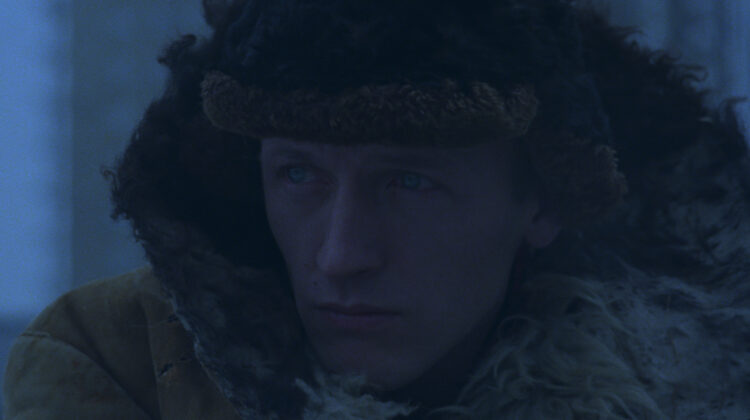
- Dekalog
- Poland1989
- Krzysztof Kieślowski
- 583 DCP
- NR
- Wheel of Fortune: The Films of Krzysztof Kieślowski
List of Programmed Films
| Date | Film Title | Director(s) | Year | Country |
|---|---|---|---|---|
| 2026-Dec | The Double Life of Véronique | Krzysztof Kieślowski | 1991 | France . . . |
| 2026-Dec | The Calm | Krzysztof Kieślowski | 1980 | Poland |
| 2026-Dec | The Scar | Krzysztof Kieślowski | 1976 | Poland |
| 2026-Dec | Kieślowski Documentaries × 6 | |||
| 2026-Dec | Camera Buff | Krzysztof Kieślowski | 1979 | Poland |
| 2026-Dec | Blind Chance | Krzysztof Kieślowski | 1987 | Poland |
| 2026-Dec | Three Colours: Blue | Krzysztof Kieślowski | 1993 | France . . . |
| 2026-Dec | No End | Krzysztof Kieślowski | 1985 | Poland |
| 2026-Dec | Three Colours: White | Krzysztof Kieślowski | 1993 | France . . . |
| 2026-Dec | A Short Film About Love | Krzysztof Kieślowski | 1988 | Poland |
| 2026-Dec | A Short Film About Killing | Krzysztof Kieślowski | 1988 | Poland |
| 2026-Dec | Three Colours: Red | Krzysztof Kieślowski | 1994 | France . . . |
| 2026-Dec | Dekalog | Krzysztof Kieślowski | 1989 | Poland |