- Marnie
- USA1964
- Alfred Hitchcock
- 131 DCP
- G
Screening Dates
- June 6 (Saturday) 6:00
- June 12 (Friday) 8:45
- June 16 (Tuesday) 8:45
- June 28 (Sunday) 4:00
“One of [Hitchcock’s] most disturbing and, from a woman’s point of view, most important films … The ending of Marnie indicates not so much that certain perversities are too deep for resolution, but that perversity is the very soul of attraction; that the images we construct and fall in love with are at least as important and ‘real’ as reality.”
Molly Haskell, From Reverence to Rape
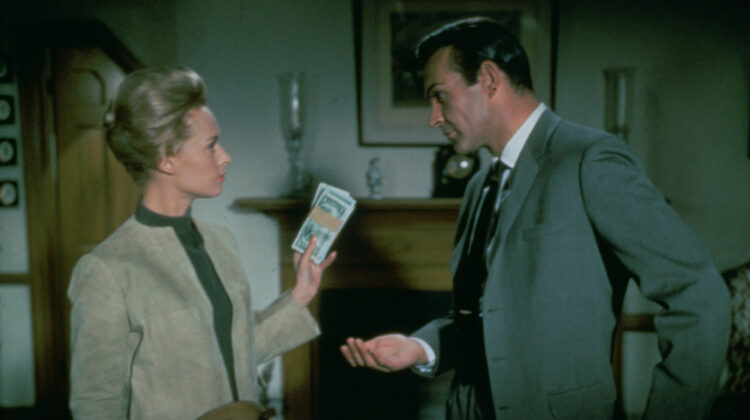
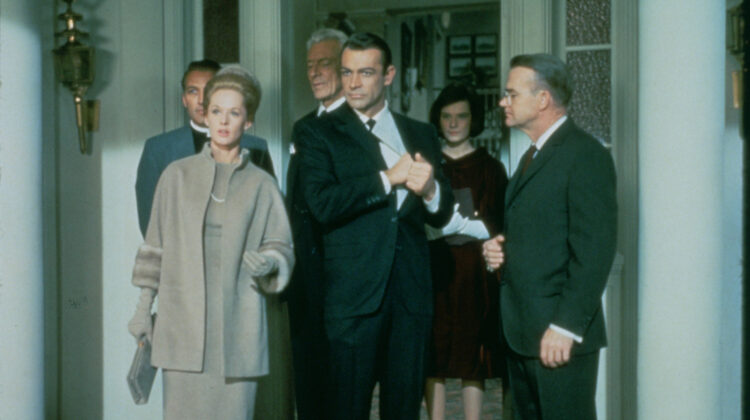
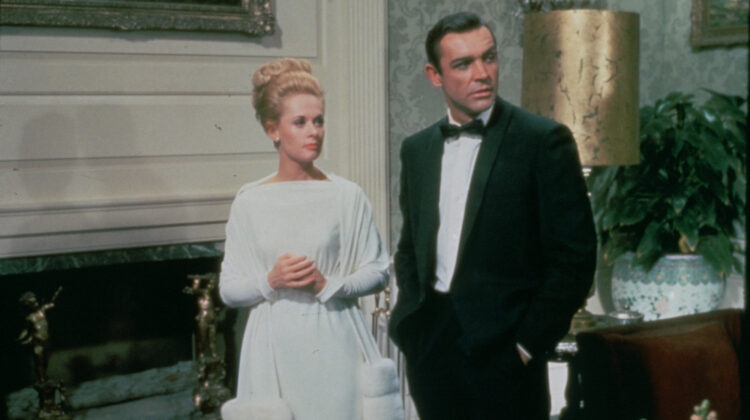
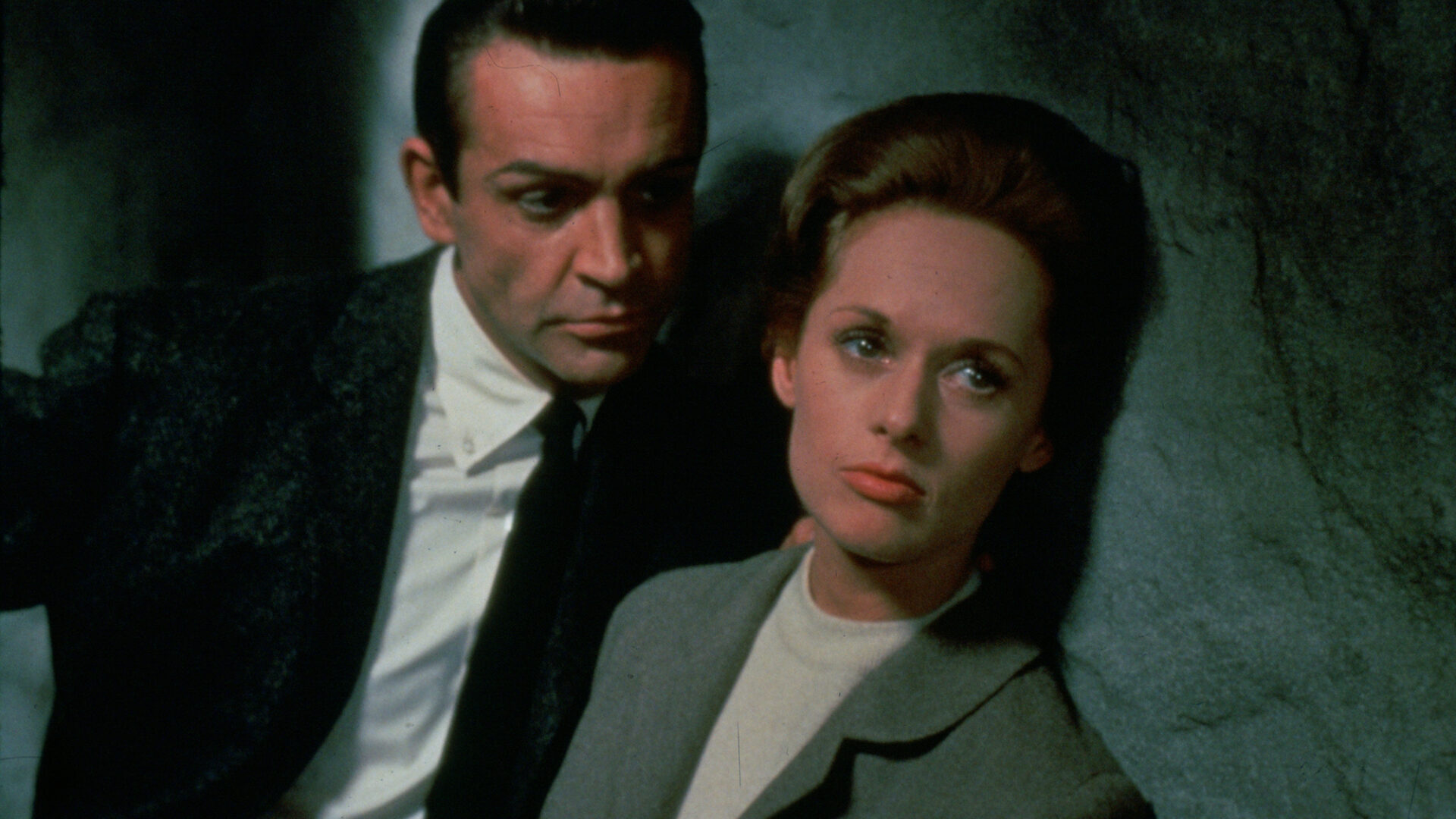
Alfred Hitchcock’s final study of obsession is an unsettling film about what it takes for two class-divided people to agree on common terms: theft, marriage, crime, sex, and even the colour red. Tippi Hedren is the elusive Marnie. Not unlike Cary Grant’s role in To Catch a Thief, she’s never more in control than when she’s committing a robbery, an identity that will be pathologized and wrested away by her wealthy employer Mark (Sean Connery). He learns her tendencies, uses this knowledge to isolate her, and considers his manipulations a psychological game of romance. François Truffaut described the film as “difficult for the public” because of its nightmarish atmosphere; one could say the same today because of Hitchcock’s known abuse towards Hedren. The film is as revealing of Mark’s depravity as it is of Marnie’s trauma, and has inspired feminist writers, photographers (Rodney Graham, Jeff Wall, Ian Wallace), and film directors (Milagros Mumenthaler, The Currents).
Advisory: Marnie contains scenes of sexual violence.
“The examination of sexual power plays surpasses Fassbinder’s films, which Marnie thematically resembles, going beyond a simple dichotomy of strength and weakness into a dense, shifting field of masochism, class antagonism, religious transgression, and the collective unconscious.”
Dave Kehr, Chicago Reader