- Living the Land
- 生息之地
- China2025
- Huo Meng
- 132 DCP
- NR
Screening Dates
- May 29 (Friday) 8:30
- June 1 (Monday) 8:50
- June 7 (Sunday) 6:00
“Stirring … There’s a patient, plainspoken poetry, neither overly earthy nor flowery, to Living the Land, a rolling rural drama that may be a work of pure fiction—but often feels wholly, organically observed, as if its storytelling were dictated by the rigours and challenges of seasons and soil.”
Guy Lodge, Variety
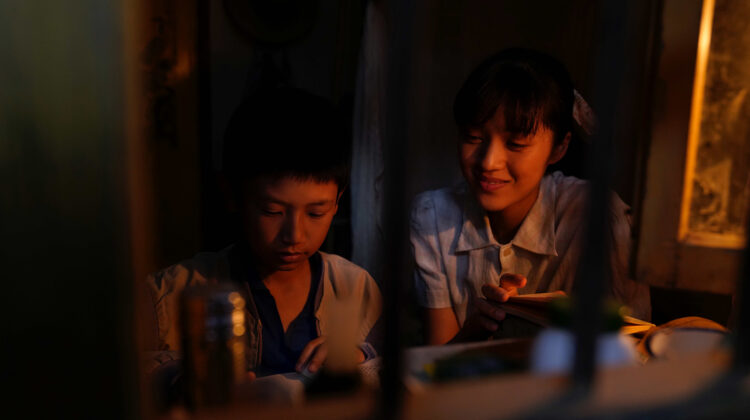
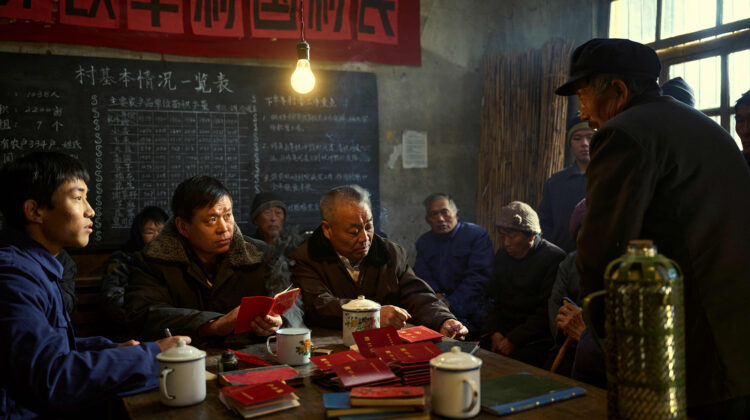
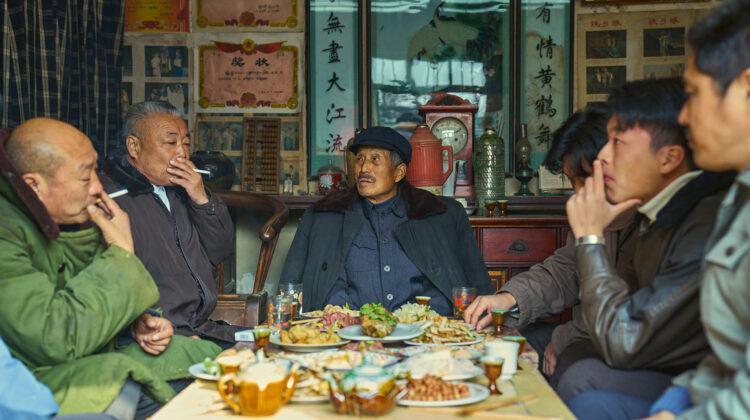
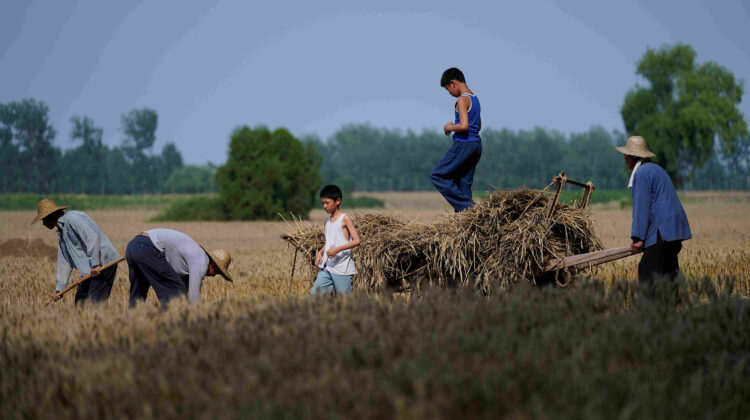
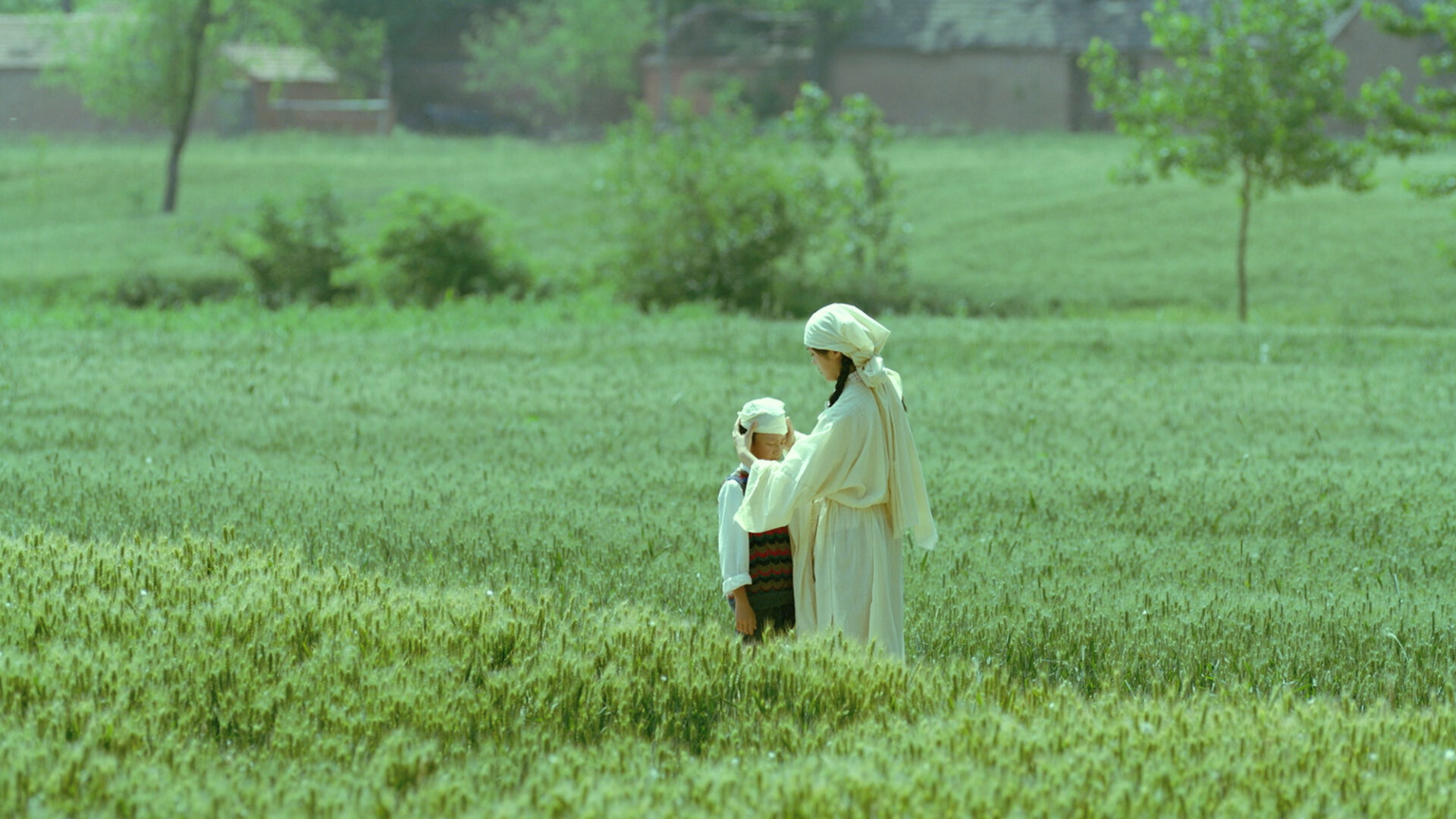
Huo Meng was the well-merited winner of Best Director at Berlin for his engrossing third feature, a vividly rendered portrait of rural China in the midst of existential change. Set in the early 1990s in a remote, time-frozen corner of the Henan countryside, the film chronicles the seasonal cycles of labour for a small wheat-farming community whose traditions begin to erode with the arrival of industrialized processes. Ten-year-old Xu Chuang (Wang Shang), left in the care of relatives when his parents and siblings migrate south for work, is the story’s heart. His wide-eyed observance of the rites, rituals, and daily rhythms of the village, and the tender bond he forms with an obstinate aunt and protective great-grandmother, serves as entrée for the viewer to acclimate alongside him. Dedicated to Huo’s own childhood in the region, Living the Land is as much an act of personal remembrance as an elegy for a vanished era of agrarian life.
In Henan Mandarin with English subtitles
“Huo Meng immerses the viewer in a remote Chinese agricultural community with all the precision and beauty of an accomplished artist … [He] is a master at embedding his drama within a bigger fresco of social and economic transformation … A promising new talent in Chinese cinema.”
Jordan Mintzer, The Hollywood Reporter
“Immersive and ambitious … Deeply poignant yet staunchly unsentimental … [An] intimate epic.”
John Berra, Screen International