- Harakiri
- 切腹
- Japan1962
- Kobayashi Masaki
- 133 35mm
- NR
Screening Dates
- October 12 (Monday) 6:00
- October 14 (Wednesday) 7:45
- October 16 (Friday) 9:00
“Kobayashi Masaki’s first samurai film is one of the genre’s major masterpieces, not least for its exploration and criticism of the ritual facades governing the samurai code of honour … Undoubtedly one of the greatest of all Japanese films.”
Michael Brooke, Sight and Sound
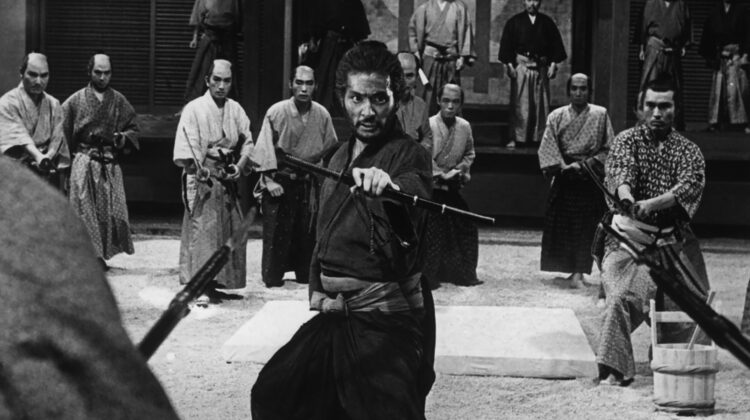
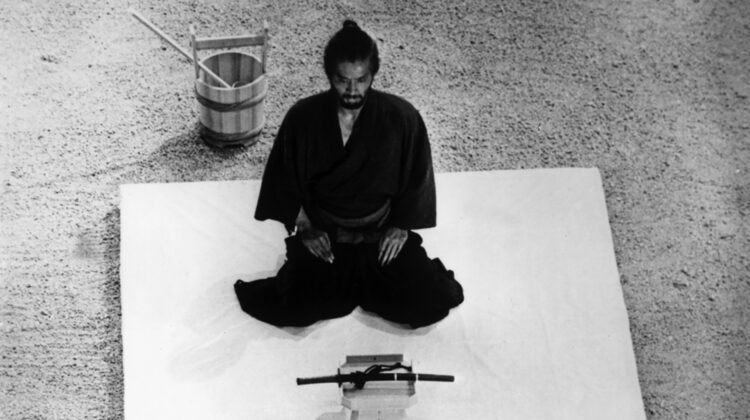
The schism between the bushido code and the men sworn to uphold it forms the faultline in Kobayashi Masaki’s legendary Harakiri, “probably the best samurai film ever made” (Stephen Hunter, The Washington Post). Set in 1630 during the Tokugawa shogunate’s rule, Kobayashi’s classic commences with the arrival of destitute ronin Hanshiro (Nakadai Tatsuya) to the estate of Lord Iyi. There, the fallen samurai’s request to perform seppuku (or harakiri), a form of ritual suicide, arises suspicion among the clansmen, who believe his pledge a mere pretense for charitable position or handout. They call his bluff, thus initiating the film’s chain of masterfully calibrated flashbacks involving a younger ronin’s eerily identical request—and the slow-drip reveal of Hanshiro’s true intentions. Harakiri has endured as one of Kobayashi’s most trenchant and popular works, influencing Kurosawa Kiyoshi’s mystery-laden new samurai picture (screening in September) and scores of other jidaigeki serving as veiled critiques of present-day hypocrisies.
In Japanese with English subtitles
Special Jury Prize
Cannes 1963
“The film has a steady, hypnotic momentum … Kobayashi Masaki wrings as much drama out of facial twitches as he does out of sword fights. He’s helped immensely by Nakadai’s molten performance and Toru Takemitsu’s spare, disquieting music.”
Michael Sragow, The New Yorker
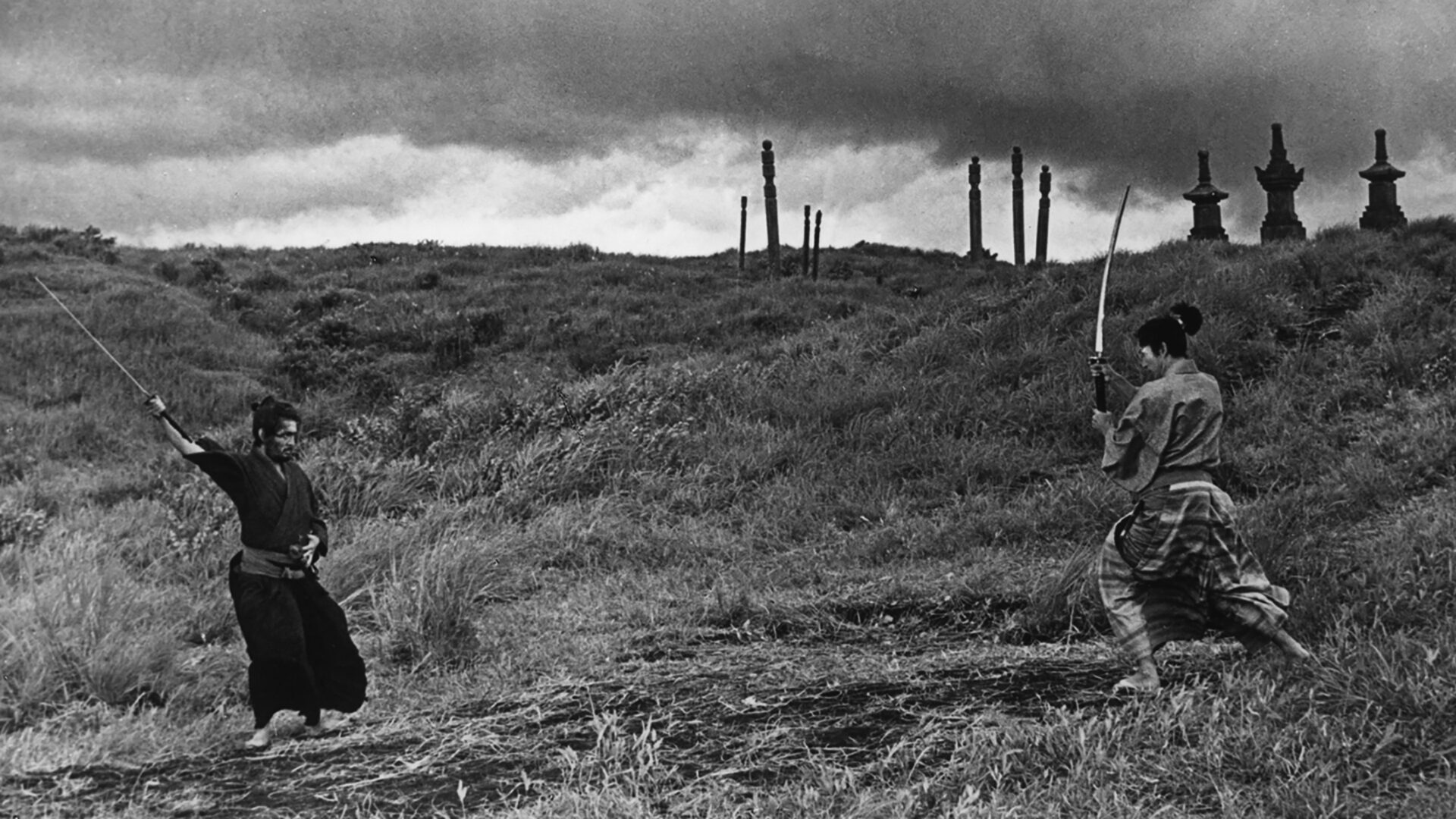
“Fiercely beautiful … Stirring, subversive and, beneath [its] dauntingly severe surface, sneakily lyrical … The climactic battle, a brilliantly choreographed dance of rage and exhaustion, is as exciting as any action-movie addict could wish.”
Terrence Rafferty, The New York Times